

Call us: +254 702 777 777 | +254 768 088 888



Halal slaughter is the foundation of halal meat production, and Kenya follows clearly defined guidelines to meet both religious and commercial expectations. Halal slaughter requirements in Kenya focus on animal welfare, proper technique, and certification oversight.
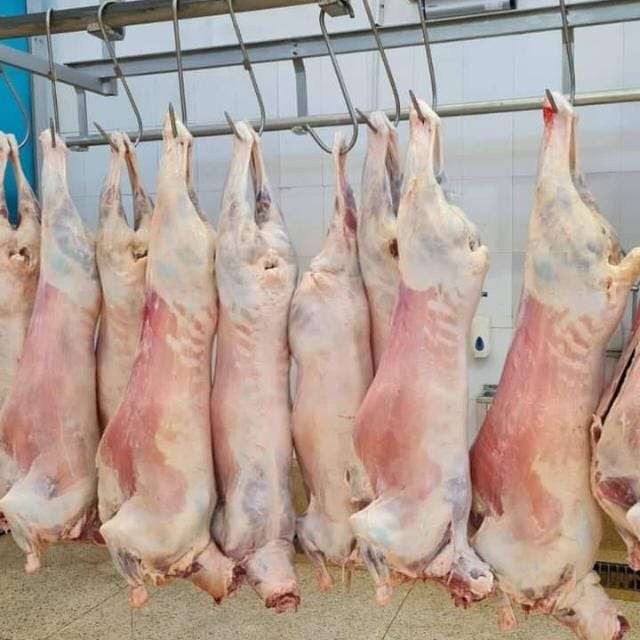
Animals must be healthy at the time of slaughter and handled humanely to reduce stress. A trained Muslim slaughterman performs the process while invoking the required religious declaration. Blood must be fully drained, ensuring purity and compliance.
Kenyan halal slaughter facilities operate under supervision from recognized halal authorities and veterinary officers. This dual oversight ensures religious adherence and food safety compliance. Equipment and processing lines must remain clean and dedicated to halal use.
For export markets, halal slaughter compliance is essential. Countries in the Middle East require proof that slaughter meets Islamic standards alongside veterinary certification. Failure to comply can result in shipment rejection.
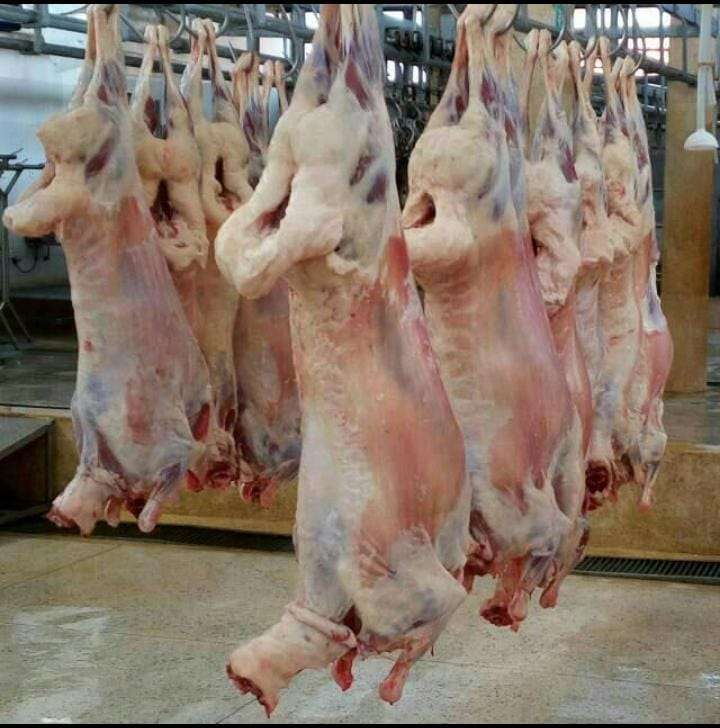
Halal slaughter requirements protect consumers, preserve ethical standards, and support Kenya’s growing role in global halal meat supply chains.
Click here to contact us
Click here to view our location
Who can perform halal slaughter in Kenya?
Only trained Muslim slaughtermen approved by halal authorities.
Is stunning allowed in halal slaughter?
Only if approved and does not cause animal death before slaughter.
Are halal slaughter facilities monitored?
Yes, by halal supervisors and government veterinary officers.
Why is slaughter compliance critical for exports?
Non-compliance can invalidate certification and block market access.