

Call us: +254 702 777 777 | +254 768 088 888



Halal butcheries play a vital role in maintaining food safety and religious compliance across Kenya’s meat industry. In Kenya, Halal butchery safety practices focus on cleanliness, traceability, and ethical meat handling from slaughter to final distribution.
Safety begins with sourcing animals from approved farms where livestock health is monitored. Once slaughtered according to halal guidelines, meat is handled using sanitized tools and surfaces to avoid contamination. Halal butcheries are required to separate halal products from non-halal items at every stage.
Proper storage is another critical factor. Refrigeration and temperature monitoring ensure meat remains fresh and safe for consumption. Regular inspections by health authorities help enforce hygiene standards, while halal supervisors ensure religious compliance is maintained.
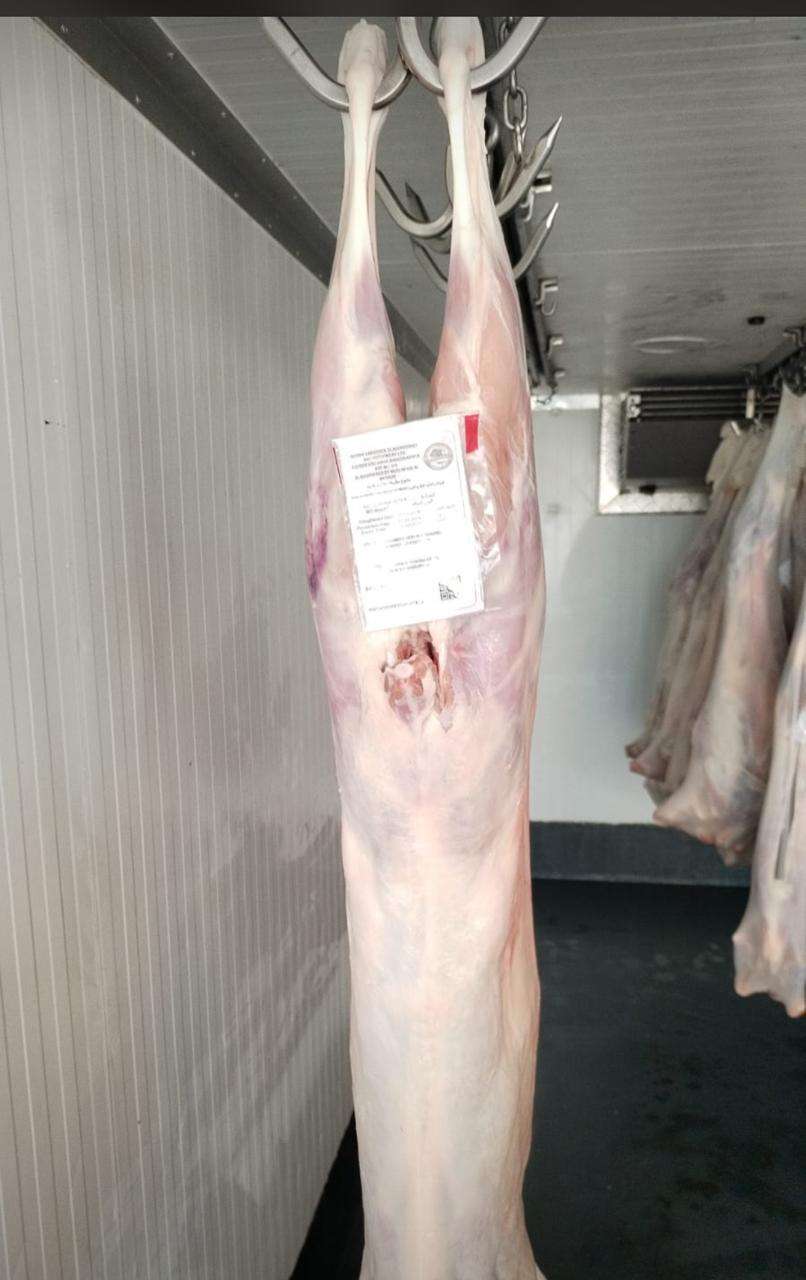
Modern halal butcheries in Kenya such as Mombasa Island Butchery Limited now supply not only local consumers but also exporters serving international markets. This has increased the adoption of advanced safety practices, including sealed packaging, batch tracking, and cold-chain logistics.
Businesses that rely on halal butcheries benefit from consistent quality, reduced health risks, and stronger consumer trust. For exporters, safety at the butchery level directly affects acceptance in global markets.
Click here to contact us
Click here to view our location
What makes a butchery halal in Kenya?
It must follow Islamic slaughter rules and maintain strict hygiene and separation standards.
Are halal butcheries inspected?
Yes, they are inspected by health authorities and halal certification bodies.
How is meat kept safe after slaughter?
Through temperature control, clean handling, and proper storage conditions.
Why is butchery safety important for exports?
Unsafe handling can lead to rejection, spoilage, and certification loss.