

Call us: +254 702 777 777 | +254 768 088 888



Halal meat processing in Kenya follows strict religious, hygiene, and regulatory standards to meet both domestic and export market requirements. For buyers, understanding halal meat processing Kenya practices is essential when sourcing safe, compliant, and high-quality meat.
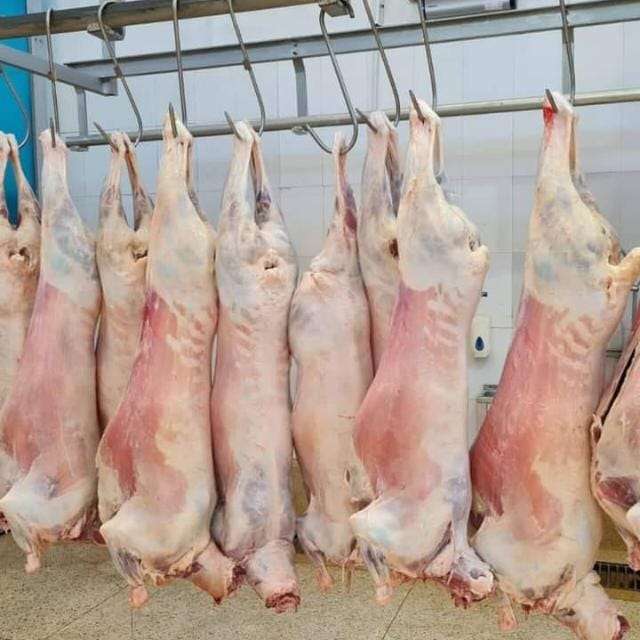
Certified halal meat processing begins with approved slaughter methods carried out by trained personnel under halal supervision. Animals are handled humanely, slaughtered according to Islamic guidelines, and processed in clean, controlled environments to prevent contamination. Kenyan facilities approved for halal processing are inspected regularly to ensure compliance with halal authorities and government food safety agencies.
Temperature control plays a critical role in halal meat processing. From slaughter to packaging, meat is handled under regulated cold conditions to preserve freshness and quality. Export-ready halal meat must meet strict hygiene protocols, including sanitized equipment, traceable sourcing, and sealed packaging.
Kenya’s halal meat processing sector has grown significantly due to rising demand from Middle East markets. Exporters rely on internationally approved facilities such as EPZ-registered slaughterhouses that comply with halal certification and veterinary standards. These facilities ensure meat is suitable for wholesalers, supermarkets, and institutional buyers.
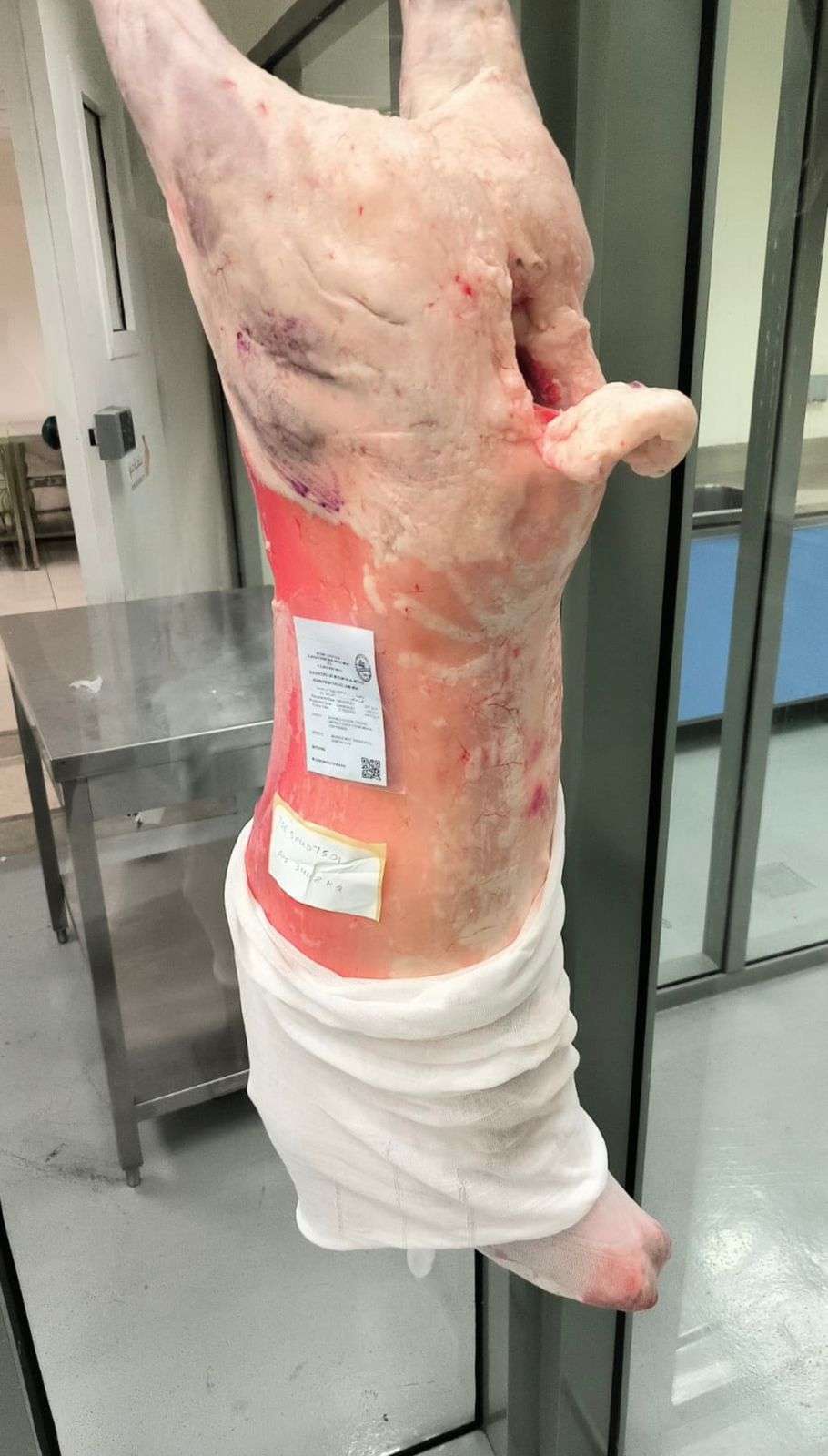
For exporters like Bahamed General Trading Limited, proper halal meat processing is not optional—it is the foundation of trust, compliance, and long-term trade relationships. Buyers sourcing from Kenya benefit from high animal welfare standards, reliable certification, and efficient export handling.
Click here to contact us
Click here to view our location
What is halal meat processing in Kenya?
It is the certified method of slaughtering and handling meat according to Islamic law and Kenyan food safety regulations.
Who certifies halal meat processing facilities?
Recognized halal authorities and government agencies certify and inspect approved processing centers.
Is Kenyan halal meat accepted internationally?
Yes, when processed in certified facilities and accompanied by valid export documentation.
Why does processing quality matter for halal meat?
Proper processing ensures safety, religious compliance, freshness, and market acceptance.