

Call us: +254 702 777 777 | +254 768 088 888



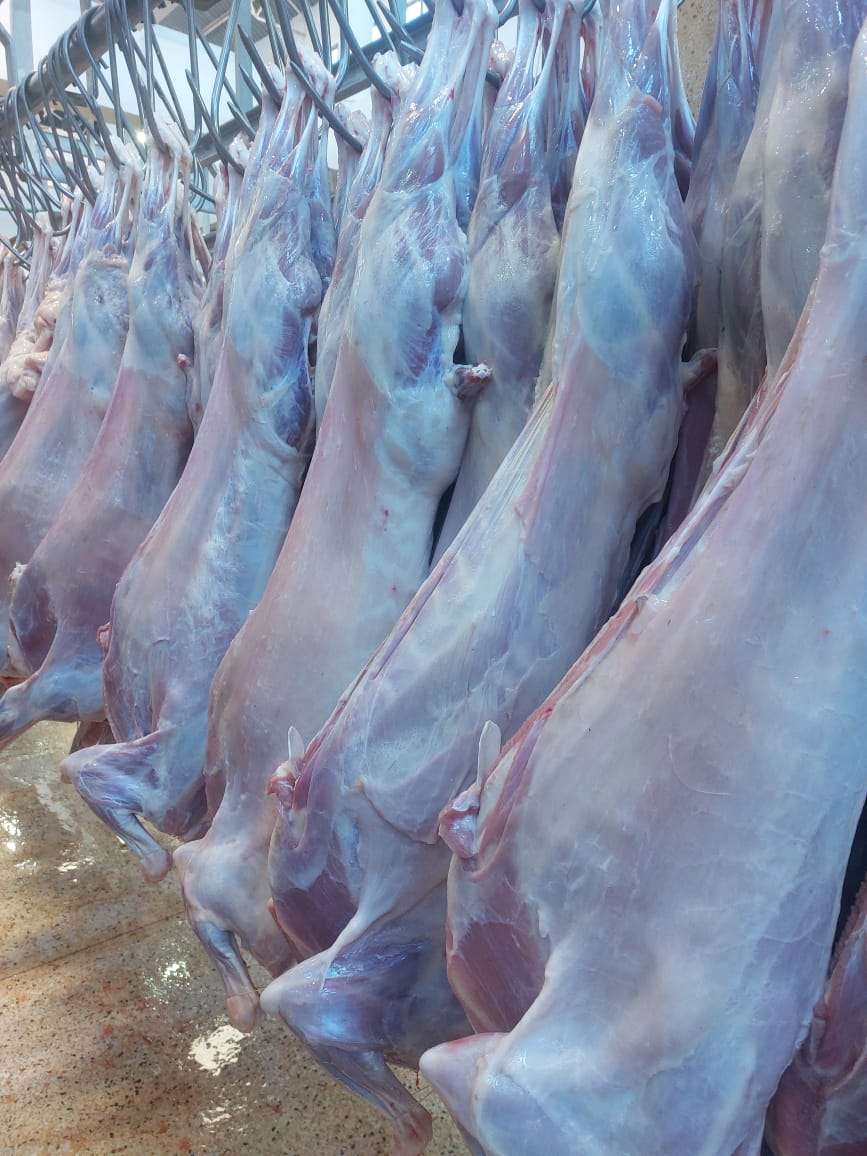
Halal meat export pricing in Kenya is one of the most critical factors influencing buyer decisions in the Middle East. Halal meat export pricing in Kenya depends on multiple variables including sourcing, processing, certification, logistics, and international demand.
Livestock sourcing forms the foundation of pricing. Naturally raised animals in Kenya often result in higher-quality meat, but seasonal availability can affect cost fluctuations. During dry seasons, livestock prices may rise, directly impacting export pricing.
Processing costs also contribute significantly. Certified halal facilities must meet strict hygiene and compliance standards, which require skilled labor, inspection, and controlled environments. These standards increase operational costs but ensure premium product quality.
Logistics is another major pricing factor. Airfreight—commonly used for fresh meat exports—adds substantial cost due to speed and temperature control requirements. Exporters must maintain cold-chain systems to preserve freshness during transit.
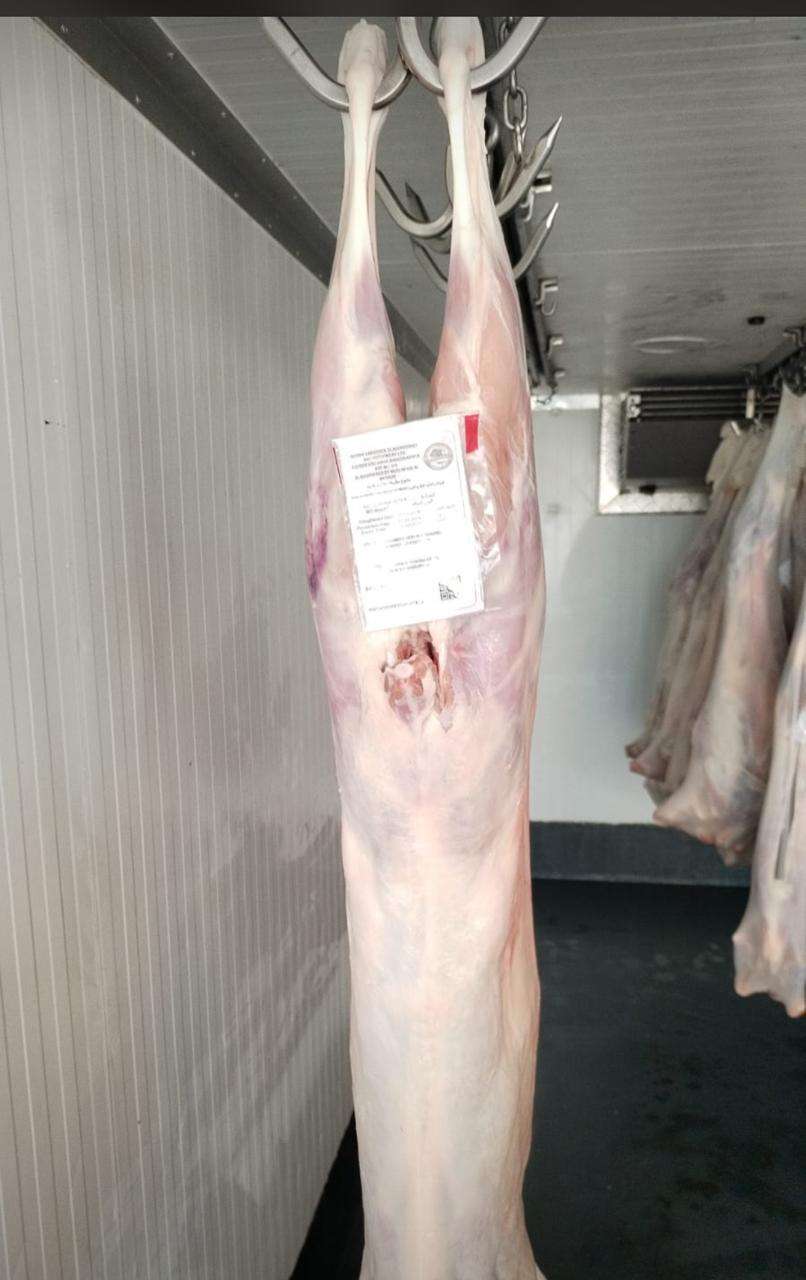
Market demand in the Middle East further influences pricing. High demand periods such as Ramadan and Eid often drive prices upward due to increased consumption.
Understanding these cost structures helps buyers negotiate better and allows exporters to remain competitive while maintaining profitability.
Click here to contact us
Click here to view our location
What affects halal meat export pricing?
Livestock cost, processing, certification, and logistics.
Why is airfreight expensive?
It ensures freshness and fast delivery.
Do prices change seasonally?
Yes, demand and supply affect pricing.
Is Kenyan meat competitively priced?
Yes, due to quality and efficient supply chains.