

Call us: +254 702 777 777 | +254 768 088 888



Halal meat consumption in Kenya continues to grow, driven by population trends, cultural preferences, and export opportunities. Halal meat demand in Kenya reflects both local consumption needs and increasing international interest.
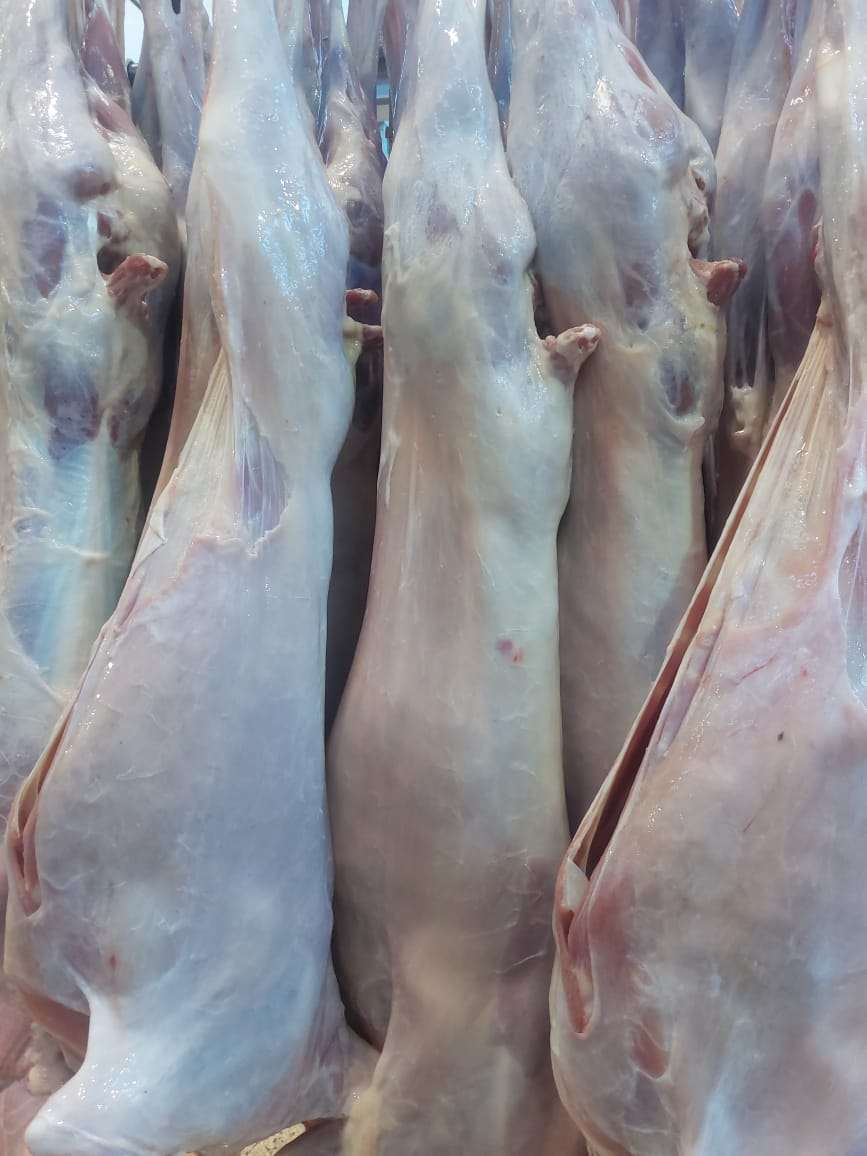
Urban centers have seen rising demand for certified halal meat due to awareness of hygiene, quality, and religious compliance. Consumers are increasingly selective, preferring traceable and properly processed meat.
On the export side, Middle East demand has influenced local production standards. Kenyan suppliers now align processing and handling practices to meet international requirements, strengthening market confidence.
Institutional buyers such as hotels, NGOs, and government agencies also contribute to demand growth. Their preference for reliable halal suppliers has improved industry standards across the value chain.
As demand expands, Kenya’s halal meat sector is positioned for continued growth, innovation, and global integration.

Click here to contact us
Click here to view our location
Why is halal meat demand increasing in Kenya?
Population growth, awareness, and export opportunities drive demand.
Is halal meat only for Muslim consumers?
No, many buyers choose it for quality and hygiene reasons.
Does export demand affect local supply?
Yes, it encourages higher standards and better processing.
What sectors drive halal meat demand?
Retail, hospitality, exports, institutions, and wholesale markets.