

Call us: +254 702 777 777 | +254 768 088 888


Understanding halal certification is essential for importers and exporters of halal meat. Far more than religious compliance, this certification ensures rigorous quality, hygiene, and international acceptance.
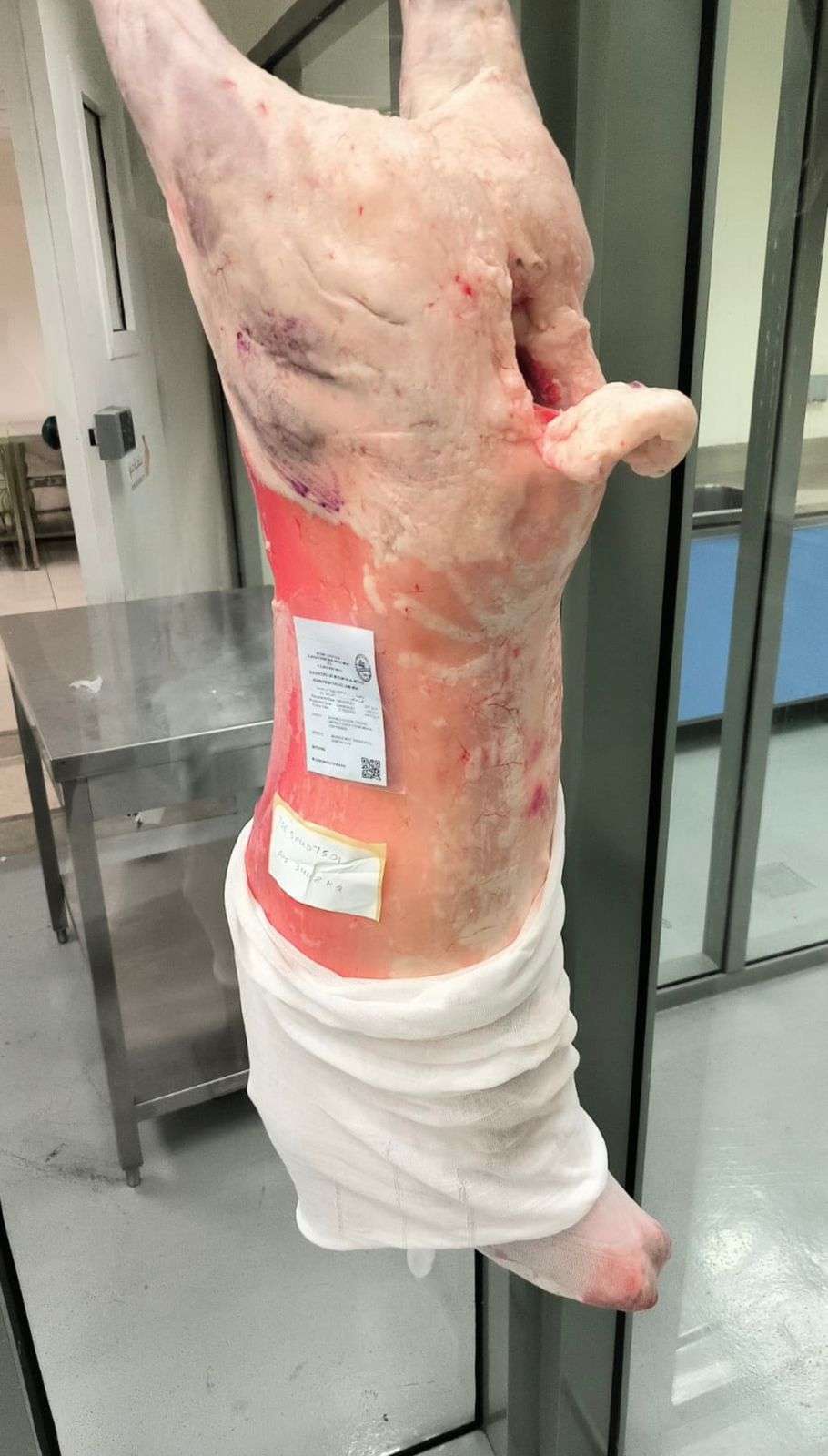
What Is Halal Certification?
Halal entails complete blood drainage, no contamination with non-halal products, and authorised Islamic slaughter techniques carried out by skilled Muslims. Compliance at every post-slaughter stage is ensured by certification.
Certification Process in Kenya
Organisations such as the East African Halal Certification Centre conduct routine facility audits in accordance with international standards, such as GSO 1:2015 and GSO 2055 2:2021, according to Wikipedia/ KENAS. Kenya’s strategy guarantees adherence to commerce and religious norms.
ISO & Hygiene Standards in Halal Meat Exports
To ensure food safety and traceability across the supply chain, facilities frequently adhere to ISO 22000 and HACCP standards (Wikipedia). These solutions increase trust and adherence to international sanitary standards.
Why Halal Certification Matters for Export
Gaining halal certification allows access to profitable markets in the Gulf, Southeast Asia, and Europe. Bahamed and other certified exporters fulfil import regulations, minimise delays, and guarantee product acceptability in regulated markets.
Conclusion
The international standard for exporting morally and hygienically produced meat is halal certification. Customers that put their trust in certified exporters like Bahamed General Trading Limited benefit from seamless access to global markets, compliance, and quality assurance.
Click here to know more about us